Become a Certified Personal Trainer
- Accredited
- Affordable
- Comprehensive
- CECs without Fees
The NFPT Difference
NFPT’s Personal Trainer Certification program is accredited by the National Commission for Certifying Agencies (NCCA), the industry’s gold standard in health and fitness.
Certification with NFPT gets you:
- FREE Continuing Education Credits (CECs) for the life of your certification! Never pay for credits when you recertify.
- The most affordable accredited credential, with simple financing if needed! Compare this to other certification companies.
- The care and attention from a family owned and operated business. Join our FitFam!
- Fundamental/comprehensive education. We lay the foundation for trainer success!
- Wealth of articles through every phase of your fitness journey.
Reasons to Choose NFPT
- NFPT Education is user-friendly, fundamental, and ‘real-world’.
- We’re the most affordable accredited certification. And, we never hit you with hidden fees.
- Online prep course gives you the freedom to move at your own pace.
- ‘Train the Trainer’ videos are available to elevate your trainer work and confidence.
- Did we mention – FREE CECs for the life of your certification!
- Discounts to military, civil servants and club staff.
- Step-by-Step client consultation & assessment procedures.
- NFPT partnerships & affiliated discounts on insurance, events, courses and more.
- The People. The Support. You’re part of our Trainer Family!
This is a user friendly company! Their CPT course is in layman’s terms and easy to follow. It equips you with just the right amount of information to get started as a personal trainer. Then there’s all sorts of Continuing Ed options to build upon the foundation.

I have been a Certified Personal Trainer since 2009. I originally certified with another nationally accredited certifying body. Switching to NFPT was the best move I ever made. They are a family owned company that cares about my success. Whenever I have any questions about the industry or any aspect of fitness training someone is always eager to assist me. They allow me to be directly involved!
Being a personal trainer has been the most rewarding career choice I’ve ever made. After 25 years of acting and entertainment, I met a personal trainer with the NFPT, his knowledge was amazing. I investigated the many affiliations but none of them offered what the NFPT did. I feel blessed to be a part of such a committed organization!

After calling several other certification companies, most seemed cold over the phone and always tried to say they were the best. Not with NFPT! They were honest and down to earth. I know other people who are certified with other companies and they seem dissatisfied when talking about what their companies do for them.

NFPT’s Process for Success
Pick Your Package

Choose the package that fits you.
Choose between the Standard or Premier package. The Premier package includes more education material and exam prep resources, but both of these packages include the exam. Unlike other certification companies, NFPT does not charge extra for making your exam appointment. When you purchase a package, you receive a welcome email with your NFPT ID to create your online account. All digital education resources and test scheduling instructions will be available immediately after your account has been created.
Prep for Your Exam
Start studying today.
Get immediate access to your personal online account to start studying. The average prep time for studying is about 60 hours, usually over a 2-3 month period, but you can schedule the exam anytime within 1 year of your enrollment date. The NFPT education material and prep resources will prepare you to get exam ready and feel comfortable on exam day. Our manual will help you to understand the principles of human anatomy, physiology, fitness components and training methods as well as how to develop, implement and modify goal-oriented training programs for your clients.
Pass Your Exam
You’ve studied. You’re prepared. Pick a date.
You get instant test results as soon as you complete the exam. When passing the CPT exam, your digital certificate will be available through your NFPT Account within 1-2 business days and a hard copy certificate (for framing) will arrive by mail within 7-10 business days. Hard copy certificates are only available in the US and Canada. If needed, a re-test can be taken (for a discounted re-test fee).
- Exam content outline
- One exam attempt
- Digital trainer manual
- Digital workbook
- Online chapter quizzes
- Learn to be a virtual trainer
- Essential forms
- Exam content outline
- One exam attempt
- Digital trainer manual
- Digital workbook
- Online chapter quizzes
- Learn to be a virtual trainer
- Essential forms
- Practice Test 1
- Practice Test 2
- Practice Test 3
- Exercise animations
- Client assessment videos
- Intro to Personal Training Video
- Ask for help
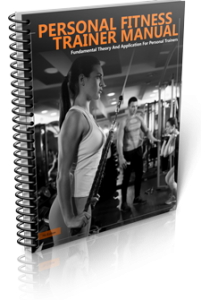 The NFPT Personal Fitness Trainer Manual helps you to understand the fundamentals and goal-oriented training methods that are required of safe and effective personal training. While studying from this manual, you’ll learn exercise science, program design and consultation and assessment guidelines to put into practice after you’re certified.
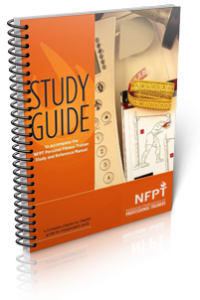 The NFPT Workbook supports your review and understanding of the NFPT Personal Fitness Trainer Manual. It includes 365 questions designed to reinforce the course learning objectives. Answer keys are provided for self-assessment.
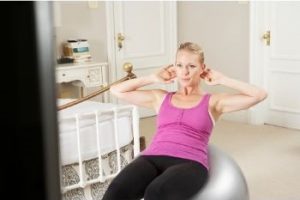 You’ll receive resources about offering virtual, in-home training for your clients. Learn about platforms, best practices for video streaming and our recommended fitness design app to create workouts and implement remote training that is still personalized for your clients but designed with the home in mind.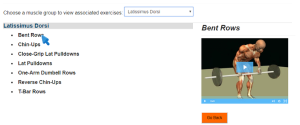
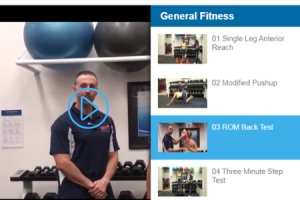
- Exam content outline
- One exam attempt
You are not required to purchase the education material to sit for the Certified Personal Trainer exam. If you feel you already possess the knowledge, becoming of a Personal Trainer, then you can proceed with the purchase of the Exam Only option. Upon enrollment, a welcome email will arrive so you can begin creating your account to access the exam scheduling instructions.
Accredited and Recognized
NFPT personal trainer certification is accredited by the National Commission for Certifying Agencies, the gold standard for evaluation of programs for health and fitness professionals.
Eligibility
- Be 18 years of age or older
- Hold a high school diploma or equivalent
- Possess a current, government-issued photo ID
That’s it!
Personal Trainer Success Traits
- Be passionate about your fitness
- Aspire to help people achieve their fitness goals
- Demonstrate exercise experience and a desire to continue learning
Personal Trainer Certification Exam
Five Exam Categories
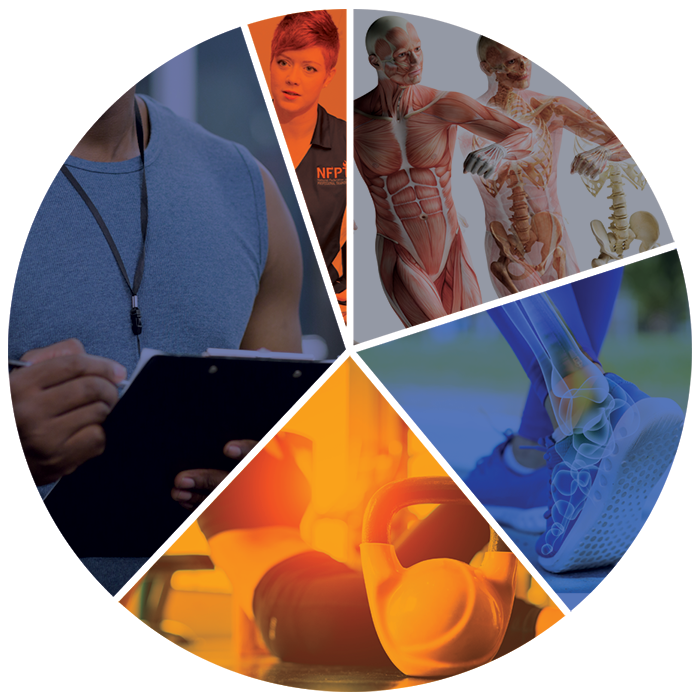
Principles of Human Anatomy – 20%
Principles of Human Physiology – 19%
Fitness Components – 23%
Training Program Development, Implementation and Modification – 33%
Professionalism and Communication Skills – 5%
Exam Quick Facts
- Test at 400+ sites worldwide
- Choose your exam day
- Pay no additional fee to take the exam
- Answer 120 multiple-choice questions in two hours
- Earn 750/1,000 points to pass
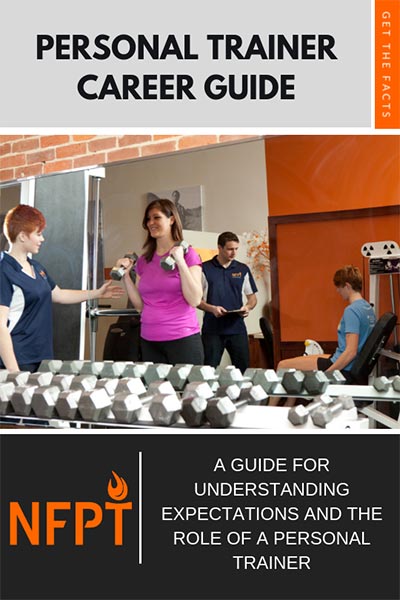
FREE Trainer Guide Download
We’ve put together this start-up guide to help you learn more about where you can work and tips from career personal trainers
- Your Expected Daily Routine
- Your Career Options – Both Short and Long Term
- Your Potential for Income – Now and Long Term
- Self-Employment versus Outside Employment
- Lifestyle Changes and Time Commitments
For Trainers, By Trainers
Get expert tips and steps for success from the NFPT trainer family.
We’re here for your fitness future
Ready to join the NFPT Trainer Family?
