
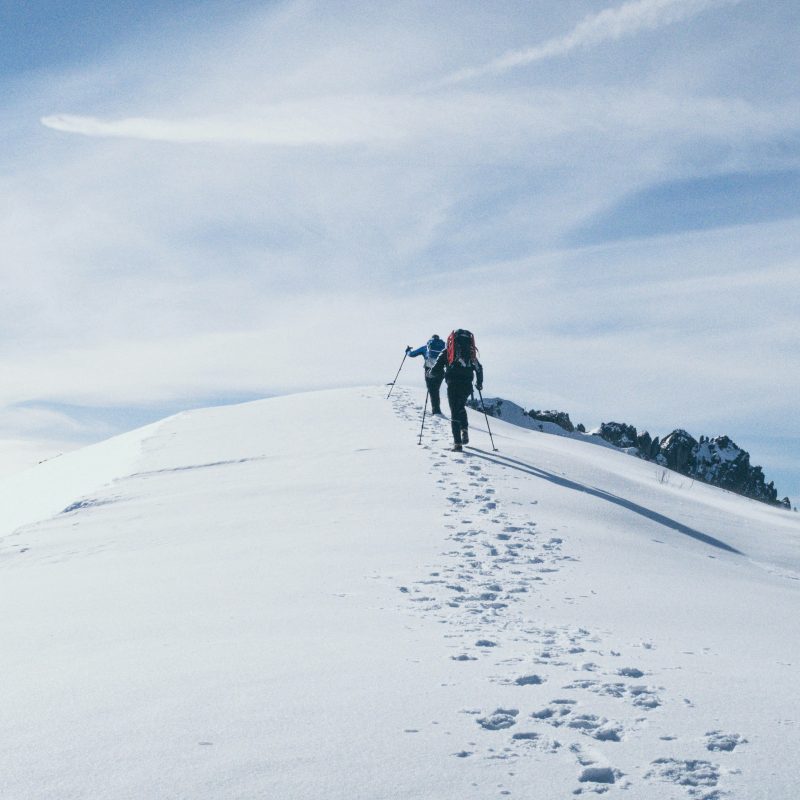
By mid- to late-winter, many individuals find themselves tired of “nesting at home” and ready to abandon the coziness of indoors. While a brisk hike in the cold, fresh air may seem instantly appealing, experts advise getting prepared for winter’s precarious weather conditions before donning the boots and parkas. In this article, we share some tips to keep in mind before hiking and exploring the vast winter wonderlands.
Benefits of Winter Hiking
Winter does not have to herald a season in which we abandon physical activity. Research studies have indicated that adults who reduce their daily level of physical activity can negatively impact their motor proficiency and respiratory endurance, subsequently leading to a diminished quality of life. Regular outdoor physical activity, even during the winter, can have measurable health benefits, positively influencing both body composition and motor efficiency.
We can certainly list many reasons why a significant portion of the population shies away from winter hiking ~
- Everything from head to toe, and all of one’s gear, can get cold and wet
- Diminished visibility makes getting lost easier
- The terrain, often frozen, slippery, rocky, and uneven, proves especially challenging
However, for fans of the frigid air, the benefits of hiking abound. Unlike crowded ski resorts, hiking trails draw much smaller crowds in the winter. This could mean having a trail to explore, and potentially some wild animal sightings, in the peace of nature. In addition to the solitude, winter hiking can help cultivate skills that make anyone a stronger hiker. Skills in this season transcend the realm of pure stamina and extend to planning, packing, navigating, and mentally preparing for a day in the cold and elements. In fact, many individuals report finding winter hiking a great confidence booster.
Begin with the Basics
When planning an outdoor winter hiking adventure, one must always do a bit of homework. The colder weather necessitates hauling much more gear than springtime walks; and winter mountains in particular have their own lists of potential hazards. Here we present the backbones of winter hiking preparedness; we will delve deeper into each of these later in the article.
According to the website Safehike, the following list includes the essentials needed for a safe and satisfying cold-weather hiking experience ~
- Water/food
- Rain jacket/pants
- First aid kit with a pocket knife
- Headlamp/flashlight/batteries/whistle
- Warm clothing/socks
- Compass/map
In addition to these basics, hikers may consider investing in snowshoes, insulated boots, an insulated parka, and extra mittens/hats/scarves.
Dress for Success
Upon setting out for a December hike, few individuals will consider the possibility of overheating. However, if one does not layer properly, overheating can pose a serious risk. Hiking in the winter requires a lot of work and energy; as such, the body will naturally produce more body heat. Too many layers of the incorrect material can lead to overcompensation and perspiration.
Sweat sitting on skin will cool the body down at a dangerously fast rate, creating an ideal environment for hypothermia. Clothing and socks made of moisture-wicking material, such as merino wool, help keep sweat away from the skin. This should comprise what hikers call the base layer.
The middle layer requires fleece, down, or a synthetic insulating material to help the body retain heat. The outermost layer, ideally both windproof and waterproof jackets/coats and pants, will protect from exposure to snow, wind, and freezing rain. A warm hat and gloves can offer lifesaving protection. Many hikers also choose to wear neck scarves to help protect delicate face/neck skin from potential frostbite.
Waterproof boots, ideally with liners, help with adding warmth. However, depending upon the terrain of the proposed path, one may choose to bring along ice cleats or crampons in order to hike with maximum confidence and safety.
Winter Slumber Party Preparedness
When planning to camp in colder temperatures, consider purchasing a heavier sleeping bag. Placing a liner inside a sleeping bag designed to protect the body in temperatures as low as 20 degrees can serve as an inexpensive way to boost the bag’s rating by another 10 degrees. Some brands even make sleeping bag covers that can increase the temperature rating of an outdoor sleep system.
A sleeping pad can also add warmth. Choose a sleeping pad with a high R-value, a measurement of a product’s insulation properties. The sleeping bag insulation barrier between one’s body and the ground can offer critical protection.
Check the Weather and Trail Conditions Before Leaving the House
Even a favorite familiar hiking trail will look very different covered in snow. Consult the local weather report on the morning news or in the newspaper before heading out. Look for warnings related to wind chill, storms, or avalanches in some areas. Knowing how much it snowed the night before may help determine if parts of one’s chosen trail will prove impassable.
Depending on the part of the country one chooses to explore, winter can often seem like a very dark time of year. The days get shorter, meaning less time to safely hike on trails. Shorter hikes can still lead to beautiful spaces and views. Getting an earlier start can also help fit more miles into a shorter day. Plan the day of hiking carefully so as not to get caught in the dark.
Streams and lakes may have frozen into a thin layer of ice at this time of year, making even cautious steps very dangerous. Even experienced winter adventurers have difficulty telling whether or not an area of ice might support their weight, and a miscalculation can have dire consequences. Check in with local Parks and Recreation staff, obey all posted signs, and if possible, stay off the ice altogether.
When planning to hike in mountainous areas with snow, check avalanche forecasts. Traveling in avalanche terrain requires additional training and safety gear to manage safely and appropriately. Popular hiking trails may cross hazardous slopes, so hikers must always remain aware of their surroundings. Evaluate the slopes above and below, and when in doubt, avoid the area. Prior to hiking in areas known for avalanches, consider enrolling in an avalanche awareness class to learn the important basics.
Gathering the Right Gear/Equipment
In addition to the basics listed above, many winter hikers pack tools for unexpected scenarios, always a prudent idea in cold, snowy weather. Consider bringing the following items ~
- Headlamp/Flashlight: With winter’s shorter daylight hours, always carry a reliable headlamp with extra batteries
- Trekking Poles: These not only provide stability on uneven terrain but also help reduce impact on the knees
- Backpack: A lightweight backpack should still provide enough room to carry essentials
- Emergency Kit: Always carry a basic first aid kit, extra energy bars, a multi-use tool, a fire starter, and an emergency blanket. In case of an unexpected overnight, having a sleeping bag, a small tent, a stove with fuel, extra batteries, and extra warm, dry clothing could make all the difference.
- Map, Compass, or GPS: Knowing the route and having a map or GPS device will make for a happier hike.
Know how to use all of the gear before embarking on the hike. Get familiar with the navigation system before arriving at the trailhead. If relying on a digital map, download the app and a map of the area before leaving cell/WiFi service. When hiking with a satellite communicator, review the rules for how to send a message, how to enable/disable tracking, how to access weather reports, and above all, how to send an SOS announcement.
Hydration
Water, essential for hiking at any time of the year, can actually take on lifesaving importance in the winter. Hydrating sufficiently can actually keep the body warmer. As a cold body dehydrates, blood will thicken and move heat around less efficiently. Staying hydrated allows the body to circulate heat effectively. Exercise-induced dehydration can come on just as fast in winter as in the summer. Hikers should plan to drink 16 ounces of water for every hour of hiking.
Many winter hikers find it challenging to drink cold water while hiking in the winter. Packing a thermos of hot water or tea can infuse much-needed warmth into a bitterly cold hike while also maintaining hydration levels. Vacuum-sealed water bottles and thermoses can help keep drinks warm for hours, and they can also function as standard water bottles. Some individuals prefer to start the hike with warm water instead of cold tap water to slow down the freezing process.
If camping overnight, keep in mind that an average plastic water bottle will also freeze. In order to ensure having liquid hydration rather than an ice block upon waking, try putting the water bottle inside the sleeping bag. Regular winter hikers may want to try getting into the habit of bringing a stainless-steel water bottle, putting it in the fire each morning to thaw frozen water.
If one prefers to hike with a hydration reservoir, keep in mind that some manufacturers make special hoses, bite valves, and reservoir sleeves to slow down the freezing process; still, in many cases, reservoirs will freeze faster than traditional water bottles.
Insulated water bottles or hydration systems come in handy when hiking in very cold weather. A foam sleeve, such as a “koozie, will increase the time it takes water to freeze in a bottle. In very frigid temperatures, some hikers will even add an active hand warmer inside the insulative sleeve.
As a matter of pure physics, water tends to freeze at the top of a water bottle; carrying the bottle cap- down will prevent the opening from freezing first. Ensure the bottle seals to prevent leaks. Sip water often to stay hydrated and also to check the status of the water to make sure it has not started to freeze.
Eating for Energy
As the body works to keep itself warm and perform the exertions of hiking, one will burn additional calories. Winter trekking lends itself to consuming foods with a higher fat content, such as peanut /almond/sunflower butter; these options will help keep the body nourished and able to pump out more heat. Also consider carrying easy-to-eat snacks with a high caloric content, such as trail mix, energy bars, nuts, beef jerky and dried fruits.
Another method of staying warm that outdoor professionals frequently use involves consuming food and drinks made with butter or coconut oil. Consider mixing some extra fat into morning coffee, oats, dinners, or hot chocolate in the evening; this provides a unique flavor while also serving as an incredible heat source.
Even the most carefully planned backpack can leave hikers hungry when a favorite snack has turned rock-hard and inedible while hiking in frigid temperatures. Make sure to pack freeze-resistant trail snacks. Chewy granola bars morph into something quite difficult to eat in winter conditions. Either keep these snacks in an interior pocket, or pack snacks less affected by cold temperatures. Hikers can plan to assess which snacks work best by putting various snacks in the freezer at home to see what gets too hard to enjoy. Crackers, nuts, and solid chocolate typically work well. Warm snacks may feel more appetizing when hiking in the cold; consider stashing a snack in an interior pocket to warm it up a bit before the next snack break.
Keep Electronics Warm and Dry
Cold weather can greatly diminish the life of electronic batteries. Store electronic devices, batteries, and power banks close to the body throughout a hike to prevent the cold air from draining their battery life. Make sure digital devices achieve a full charge before setting out on the hike; depending on the length of the proposed hike, one may want to bring along an external battery pack just in case.
Safeguarding Eyes, Skin, and Body Heat
The human head contains oxygen-carrying capillaries, which fuel our brains, yet also consume 33% of the body’s energy. During the colder months, keep the head covered to maintain function and not lose precious body heat. Some avid winter hikers bring along a warmer/heavier hat just for rest periods.
Winter hikers often forget about the intensity of the sun’s glare when reflecting off white snow. UV-rated snow goggles or sunglasses that provide adequate protection from bitter wind and the harsh sun prove useful even on a cloudy day and/or when beginning a hike at dawn.
Similarly, hikers tend to underestimate the value of a high-quality sunscreen when out in the elements all day. Apply a product of SPF 50 or higher first thing in the morning, and every few hours after that.
Plan Safely
The beauty and serenity of winter hiking appeals to many solo athletes, who wish to take in winter’s grandeur in the absence of others. In these cases, make sure someone at home knows the planned route, as well as the expected time of return.
If possible, hike with others for added safety in case of emergencies. During winter, conditions can change quickly, and injuries can happen in the blink of an eye. Having a hiking partner or group greatly increases the chances of getting help should something untoward occur.
Winter hiking, infinitely more challenging than summer hiking, requires one to take frequent breaks and adjust pace accordingly. Try to make these breaks brief; a shorter time frame will not give the body a chance to get cold. Upon stopping for a break, remove any wet clothes and add an insulating layer like a fleece hoodie, a puffy jacket, and a pair of gloves. Again, physics principles remind us of the ease of staying warm as compared to getting warmed up from a cold state! If one decides to sit during this brief rest, choose something insulating to place on the cold ground first.
Bring the Mental Game
Just as we touched upon in our previous article on prepping for ski season, one must prepare to “put their head in the game” well in advance of cold-weather hiking. Winter hikes proceed at a much slower and more physically demanding pace than regular hikes. Start the day prepared for tougher terrain, longer times, and unexpected conditions.
Winter conditions can make hiking more dangerous. Having a strong sense of one’s abilities will help them gauge limits and make wise decisions. Always be willing to turn around. Weather and trail conditions can change quickly as snow falls and melts. Sometimes hikers meet with the unexpected: the snow seems too high, the trails have proven questionable, or fingers and toes have completely lost all feeling. In these cases, “toughing it out” makes little sense. Pushing through can lead to dangerous situations, such as getting lost or developing frostbite. Plan with fellow hikers, and agree that the group will turn around if conditions worsen or if dusk falls quicker than expected.
The Final Word
Winter months can provide some of nature’s most stunning backdrops: stark tree branches dusted (or laden) with new snow, serene frozen ponds, and rare glimpses of cold-weather wildlife. Dr. Stuart Harris, chief of the Division of Wilderness Medicine at Massachusetts General Hospital, reminds us that winter offers a prime opportunity to engage with the seasons and view the mysteries of our living planet. However, we must always bear in mind that a multi-mile trek through rough, frosty terrain differs greatly from easy warm-weather hiking. Make considerations of health and safety a priority.
References
https://pubmed.ncbi.nlm.nih.gov/36458993/
https://pmc.ncbi.nlm.nih.gov/articles/PMC6349565/
https://pmc.ncbi.nlm.nih.gov/articles/PMC10209205/
https://www.health.harvard.edu/blog/winter-hiking-magical-or-miserable-202301102873
https://pmc.ncbi.nlm.nih.gov/articles/PMC10454497/
https://minus33.com/blogs/hiking-safety/winter-outdoor-safety-tips-for-staying-prepared?utm_campaign=pmax_all_products&tw_source=google&tw_adid=&tw_campaign=18279329209&tw_kwdid=&gad_source=1&gad_campaignid=18816770543&gbraid=0AAAAAD4RElD_dxARxJZkLyyAsEcmIUT4l&gclid=CjwKCAiAl-_JBhBjEiwAn3rN7eYcAfncEsQKnla0CxfHB8Zo5nJjhT15x37aMYZsySZwgzIDMm5vIxoCRIUQAvD_BwE
https://www.nps.gov/articles/000/winterhikingtips.htm