

Fitness Age Gauges for Older Clients
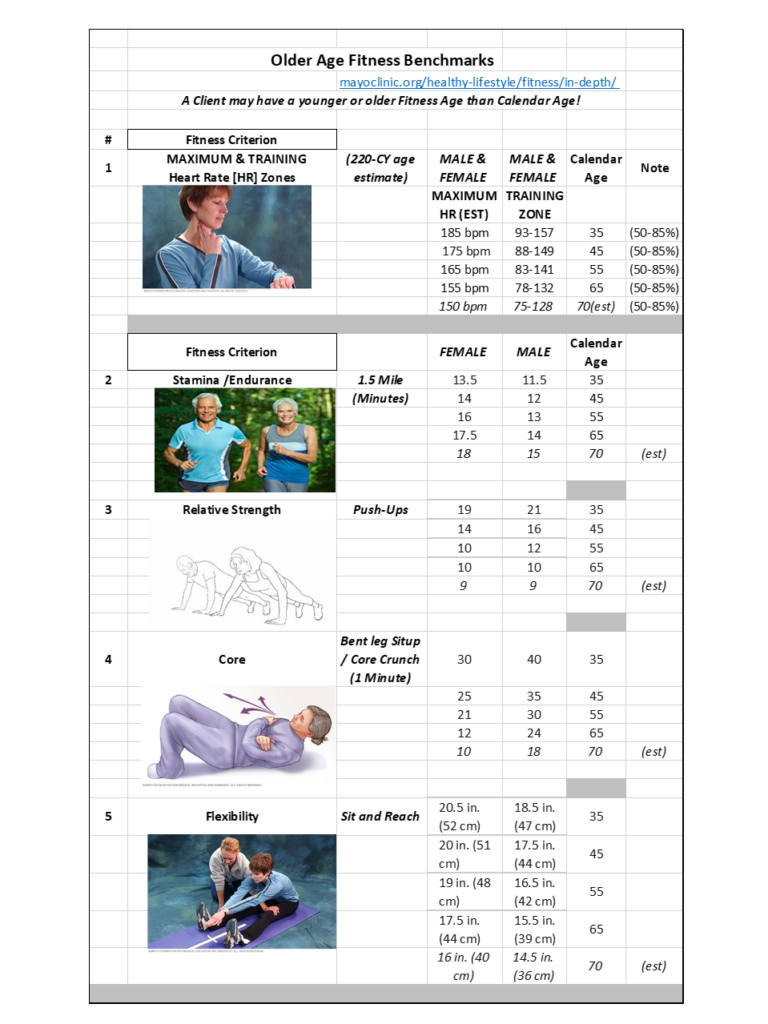
Medicare-aged folks comprise a notable and possibly growing segment of our personal training clientele. Their calendar years may or may not reflect “gym or fitness age.”1 As our title includes “older” – just what is older? Subjectively, older is 60 years of age or more for our clients [and for a minority of Certified Personal […]
The Lymphatic System: Tuning the Other Half of a Client’s Circulatory System
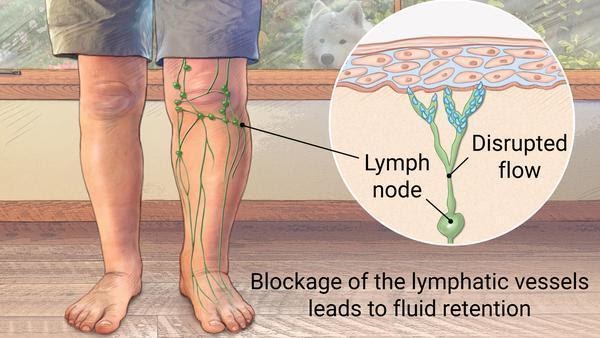
Most older clients can and should “tune-up” their lymphatic circulation with planned exercise to better their health. Lymphatic “tune-up” is desirable in any period. Yet this focused effort may be even more critical when societal immunity is threatened by novel viruses. What the Lymphatic System Does Many older clients, and perhaps some personal trainers, can […]
REHIIT–Tailoring Interval Training for Older Fitness Clients

Despite its widespread benefits, engagement in physical activities or exercise remains scarce, primarily reported a result of a ‘lack of time’. How can personal trainers make the best use of their client’s time while still enabling notable performance results? Variations of Interval Training, such as Reduced-Exertion High-Intensity Interval Training or REHIIT, can be both an […]
Client Pain: More Than a Sensation

We certified personal trainers can be resourceful listeners and agents to help our older clients address both pain dimensions (yes there are two: sensory and emotional). Pain comes from the Latin word poena meaning penalty. A later French word derivation is suffering, as this older gentleman is apparently experiencing in Figure 1: “Pain is […]
Addressing Joint Health: Fostering Movement and Preventing Degradation
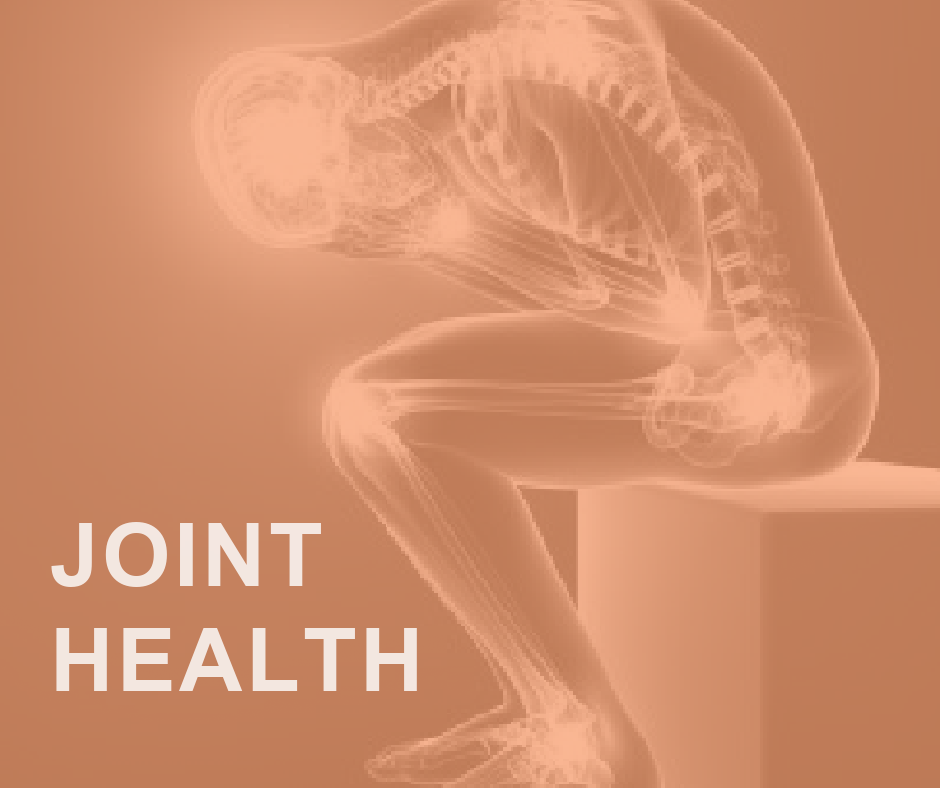
Despite best-laid plans and intentions, winter holidays for many older clients involve less movement, added unhealthy food choices, plus more emotional stresses. With such holiday moods coupled with inactivity, those minor aches and slight pains that millions of older Americans experience can be exacerbated or become chronic. There are approaches fitness professionals can take with […]
Banking Micro-nutrients for Performance
CPTs can apply general knowledge of clients’ nutritional requirements and changing diets to capably support their muscular performance. Our skeletal muscles (which ancients called “little mice”) are chemical, motion marvels: vitamins and minerals that have been adequately absorbed are “banked” over several to many weeks. Granted, most personal trainers are not registered dietitians or nutritionists. […]
Lower Leg Pain: Finding a Leg to Stand On
“Not having a leg to stand on” is an adage for lacking physical support. Clients may experience physical pains or medical conditions of their lower legs. Certain conditions mandate modifications to exercise and activities of daily life. Others that are more severe may be only remediated by orthopedic intervention. Trainers can support clients’ mobile actions […]
Waist Circumference vs BMI: Helping Clients Measure Up

Educating our clients on how to improve health outcomes certainly falls under the purview of health and fitness coaching. With that, explaining the relevance of body composition, the flaws of the body mass index (BMI), and how stored adipose tissue correlates with health risks, specifically with regard to waist circumference, is an important aspect of […]
TVA and IO Muscles: The Internal Safety Belt

Although Rectus Abdominus (RA) muscles are sought for aesthetic and athletic appeal, they do not reign supreme when it comes to core stability and strength. RA by definition are superficial muscles operating as global movers, and are indeed subordinate to two “out of sight” muscles with regard to safety and performance factors. Bordering RA Abdominals […]
Elbow Pain and Therapy
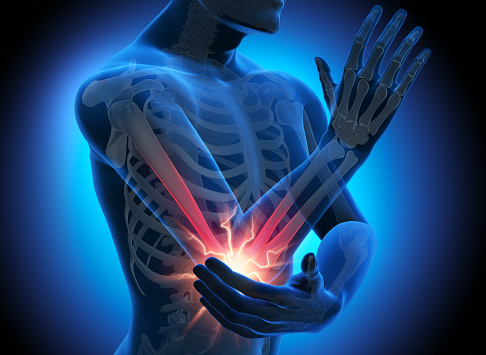
Elbow pain and tendonitis occur more often for certain activities and occupations than for our general population. Hinging incidences are much higher for clients who play racket sports, golf, throw, or row with high training volume. Manual laborers, butchers, and painters, plus some elders who care for young children are also at higher risk than […]