

What Is Vibroacoustic Therapy? How Sound and Vibration Support Relaxation and Wellness
Clients seek out personal trainers for a variety of reasons, from a quest for healthier bodies to building stronger, fuller muscles. Sometimes clients turn to fitness to manage stress, sleeplessness, or chronic pain. In this article, we introduce the relatively new concept of vibroacoustic technology, studies on which have demonstrated positive results in these areas, […]
Omega-3 Fatty Acids and Osteoporosis: Benefits Beyond Calcium for Bone Health

A vast amount of epidemiological evidence suggests that diets high in Omega -3 fatty acids (also termed n-3 FAs) may prove highly beneficial for skeletal health. In this article, we will explore the various ways in which Omega-3 fatty acids can play a critical role in bone reabsorption, increasing skeletal mass, and regulating calcium balance within […]
Collagen Supplements for Tendon Recovery: Benefits, Evidence, and Best Practices

Tendons serve many important roles in the human body’s ability to move. As dense, fibrous bands of connective tissue that attach muscles to bones, tendons transmit muscular forces to bone, absorb load, and allow the body to execute the many explosive movements that athletic bodies demand when participating in running and any form of hybrid training. Collagen […]
Relative Energy Deficiency in Sports: Know the RED Flags and Signs

The concept known as Relative Energy Deficiency in Sports, or RED-S, arises due to an athlete’s failure to take in sufficient energy to support daily exercise-related energy expenditure. The resulting low energy availability can promote various physiological/psychological dysfunctions, any of which can undermine sports performance. This article explores the causes of RED-S and highlights the signs […]
Green Tea Extract vs. Greens Powder: Which Supplement Is Better?

Health-conscious consumers, particularly athletic-minded ones, spend up to $60 million annually on nutritional supplements. These can range from multivitamins to alleged muscle-builders and those promising to reverse the signs of aging. This translates to a good percentage of the average individual’s disposable income, especially when we consider that many supplements offer little in the way […]
Waxy Maize Benefits: Why It’s a Powerful Post-Workout Carb Choice

In serious weightlifting circles, conversations often center around topics such as grams of protein consumed and optimal ways of replenishing glycogen stores post-workout. With such an abundance of carbohydrate choices available to bodybuilders today, making an informed decision often proves challenging. In this article, we clarify the virtues and downfalls of the more commonly used carbohydrate […]
Acetyl-L-Carnitine Benefits: The Hidden Advantages You Should Know

As a commonly used bodybuilding supplement, Acetyl-L-Carnitine stands out largely due to its ability to promote fat metabolism. Researchers have learned much more about the benefits and capabilities of this over-the-counter supplement. Read on as we explore all the ways in which Acetyl-L-Carnitine might serve as a powerful addition to anyone’s bodybuilding supplement line-up. Crash […]
Should AI Replace Humans in Personal Training?

Many individuals seek out personal training for the value of one-on-one mentoring and learning from experts in the fitness field. They like having a program tailored to their precise needs and a caring, compassionate partner alongside them on their challenging journey to better health. Recently, we have observed a shift away from human trainers towards […]
Plyometrics, Explosive Contractions, and Power: Meeting the Client’s Goals
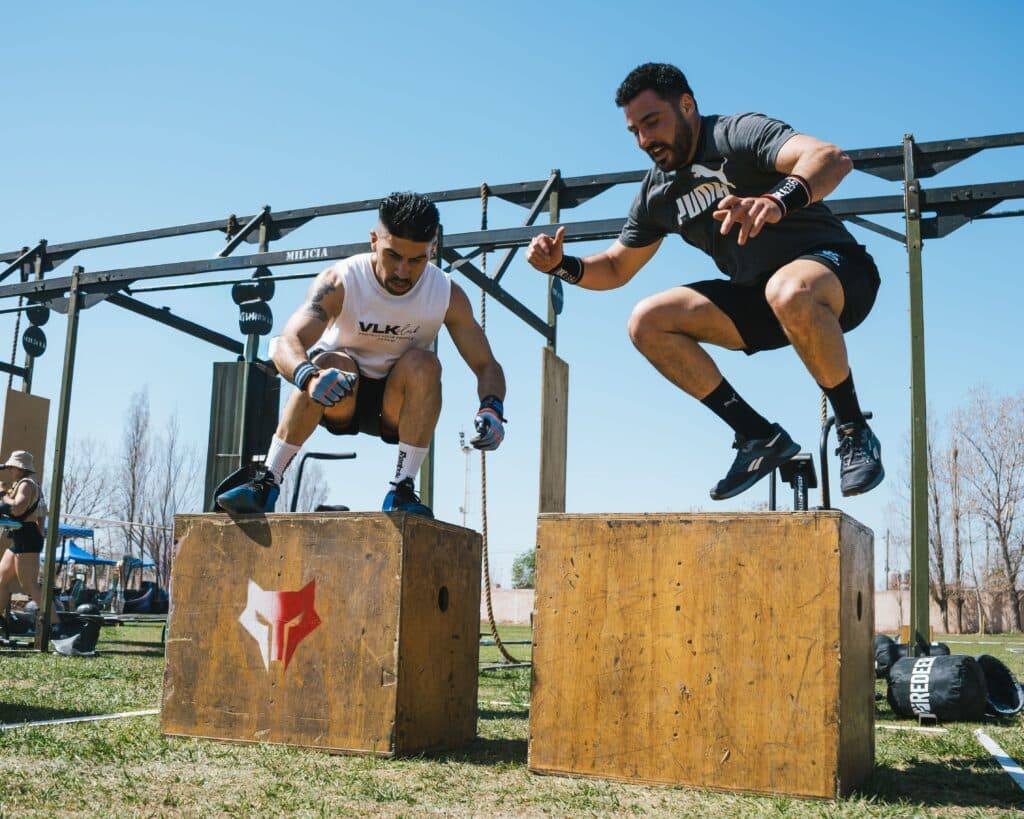
In the realm of fitness and athletic performance, explosive strength training stands out as one of many components that can dramatically enhance a client’s physical capabilities, functional strength and overall mobility for everyday activities. This form of training varies greatly from traditional weightlifting, where the goal of hypertrophy takes center stage. This article explores variations in training […]
Reaching the Peak: Benefits of Training in Altitude Chambers

Altitude training, also known as hypoxic training, refers to the manner in which athletes purposefully train in high-altitude areas or subject themselves to artificial hypoxia using specialized chambers. Athletes who participate in endurance sports find this training method well-suited to improving their aerobic capacity, and typically will confer a more competitive edge in their performance […]